What if a label describing how much support your adult child needs becomes a limit on what others believe they can do?
For many parents of autistic adults, this is a familiar concern.
“High support needs.” “Significant communication challenges.” “Needs assistance with daily living.”
These descriptions can be important for getting the right support. But somewhere along the way, descriptions of need can quietly become assumptions about ability.
“They can’t do that.” “That’s too advanced.” “They wouldn’t understand.”
At JoyDew, our members have taught us something important:
A label can describe the support a person needs without describing their potential.
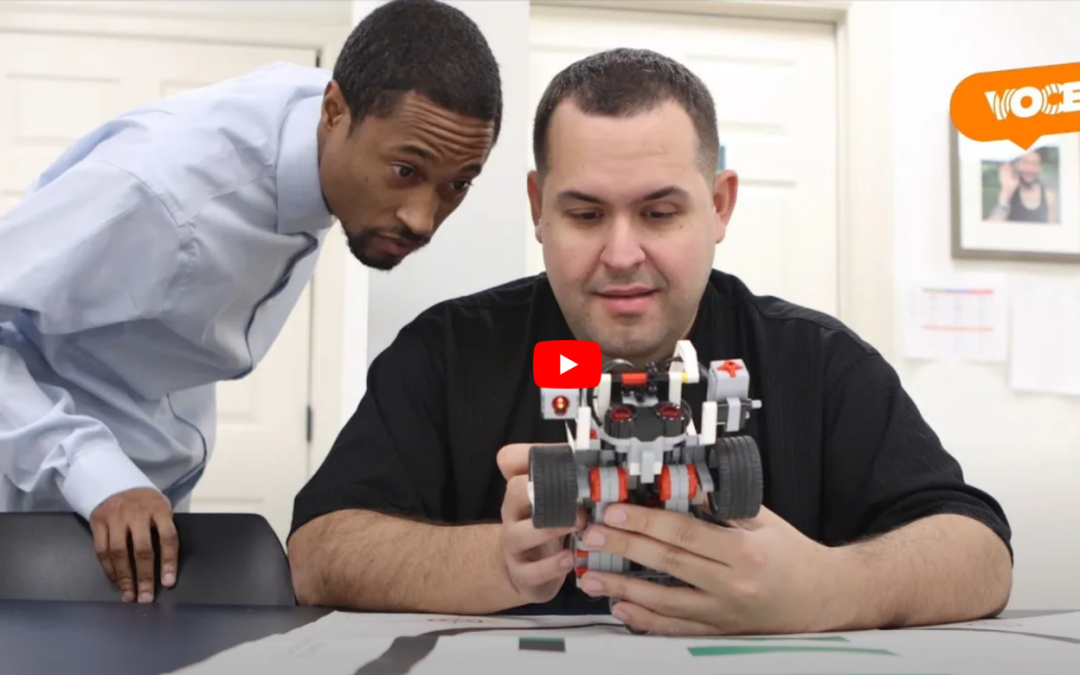
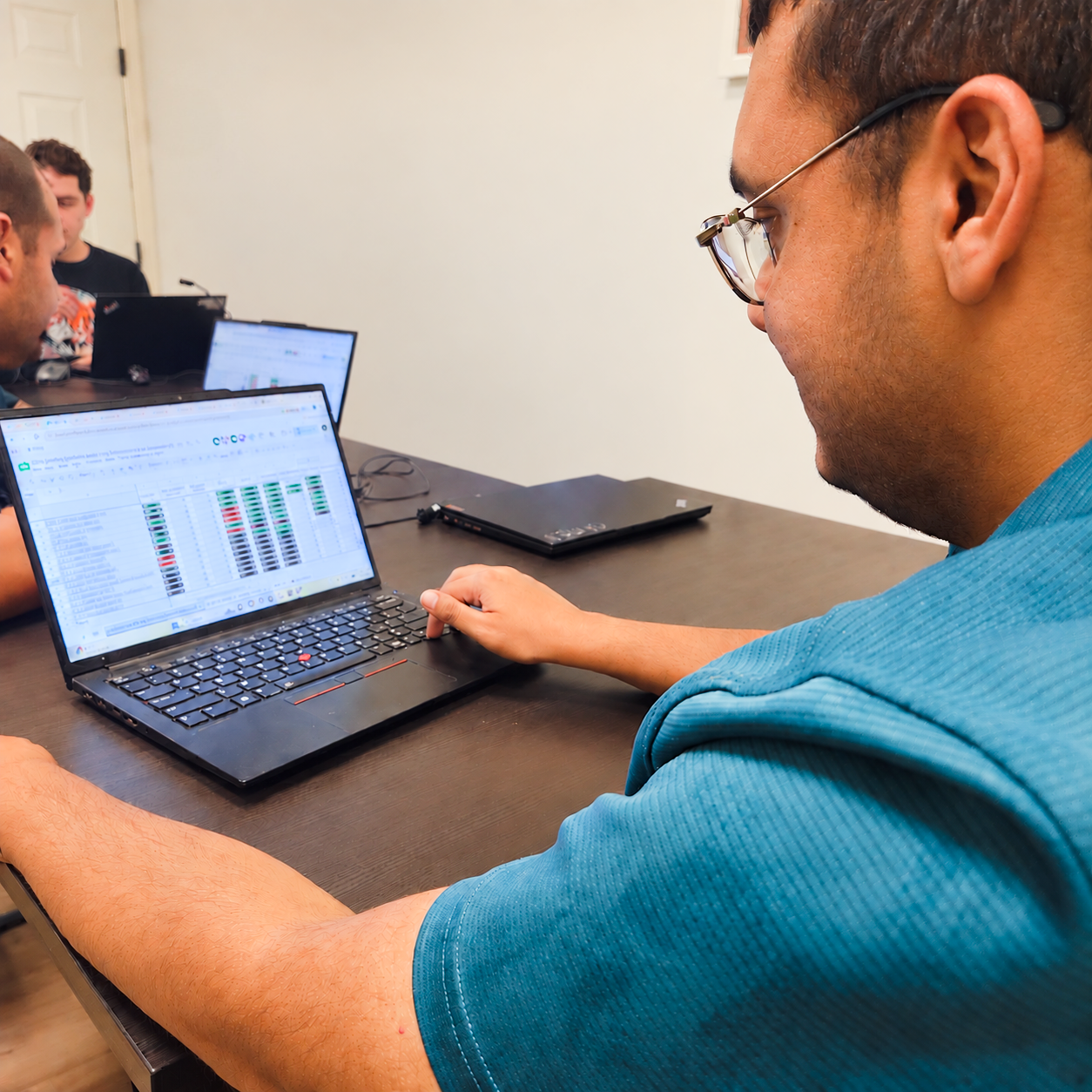
We see it when adults with significant communication support needs are given opportunities to explore areas like quality assurance, artificial intelligence, cybersecurity, GIS, and radiology-related technology.
We see it when four JoyDew members earned QA certification in 2025.
We see it when several members who were given the opportunity to study artificial intelligence went on to earn college-level AI certifications in 2026.
Does that mean every autistic adult can, or should, follow the same path? Of course not.
It means we shouldn't decide what someone is capable of before giving them the opportunity to show us.
For parents, that distinction can be powerful.
Your adult child may need substantial support with communication, daily living, or other parts of life…and still have strengths, interests, intelligence, and abilities that aren't immediately visible or easily measured.
At JoyDew, we believe in providing the support, creating the opportunity, and then paying attention to what the person actually does.
Because the label may tell us where support is needed.
The person shows us what is possible.
#JoyDew #AutisticAdults #PresumeCompetence #AutismAcceptance #StrengthsBased #AdultAutism #Neurodiversity #Autism