For many parents of autistic adults, low expectations can be painfully familiar.
Maybe someone told you your child wouldn’t be able to learn certain things. That meaningful employment wasn’t realistic. That a particular skill was “too advanced.” Or perhaps opportunities simply weren’t offered because others assumed they wouldn’t succeed.
At JoyDew, we’ve learned something important:
The biggest cost of low expectations may be the opportunities that were never offered.
Because missed opportunities add up.
When someone isn’t given meaningful education, they may miss the chance to discover what interests them. Without training, they may never develop skills that could lead to employment. Without meaningful work and social opportunities, they can miss experiences that build confidence, independence, friendships and purpose.
But what happens when we change the expectations?
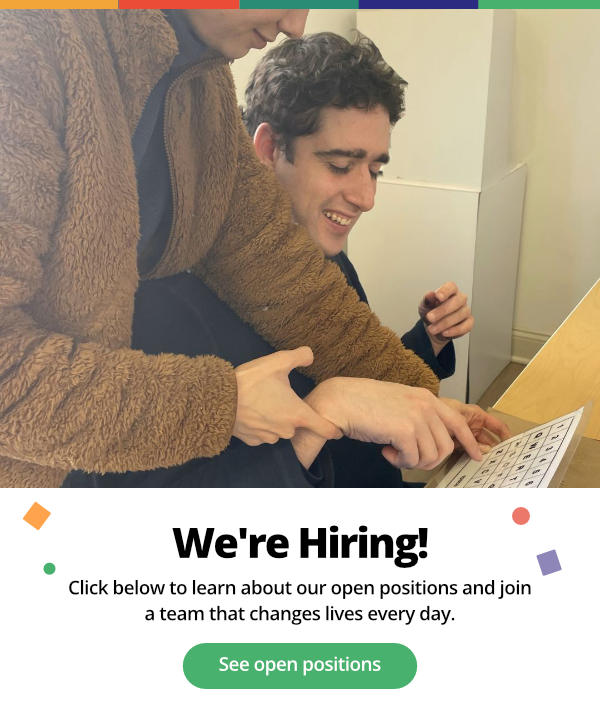
At JoyDew, we start by presuming competence and focusing on strengths rather than deficits. And our Members continue to surprise people with what they can accomplish when given the right opportunities and support.
Our Impact Report found that 85.71% of Members attained high or very high educational improvement, while education and skills development improved by 90%. Members have mastered high-tech skills previously thought “too advanced” and experienced breakthroughs in communication and problem-solving.
We also saw an 80% increase in Members’ sense of life purpose and direction and an 80% growth in social confidence.
For parents, we think these results offer an important message of possibility:
When an autistic adult succeeds at something others once thought they couldn't do, maybe we need to question the expectation—not the person.
Our Members have taught us not to make people prove their potential before giving them opportunities.
Give them the opportunity. Give them the support. Then see what they can show us.
#Autism #AutisticAdults #PresumeCompetence #AutismAcceptance #StrengthsBased #Neurodiversity #AdultAutism #Employment #JoyDew