In autism group homes, communication is not a “soft skill”…it is the foundation of safety, dignity, and quality of life. For many residents, communication challenges are complex and varied. Some individuals are non-speaking, while others may have limited verbal language, unreliable speech, or difficulty processing and expressing thoughts in real time. Without staff who are highly trained in supported communication, these individuals risk being misunderstood or not heard at all.
Communication differences can include apraxia (difficulty planning speech), sensory processing challenges, delayed language, or anxiety that interferes with verbal expression. Importantly, the absence of speech does not mean the absence of intelligence, preferences, or feelings. Every individual has something to say.
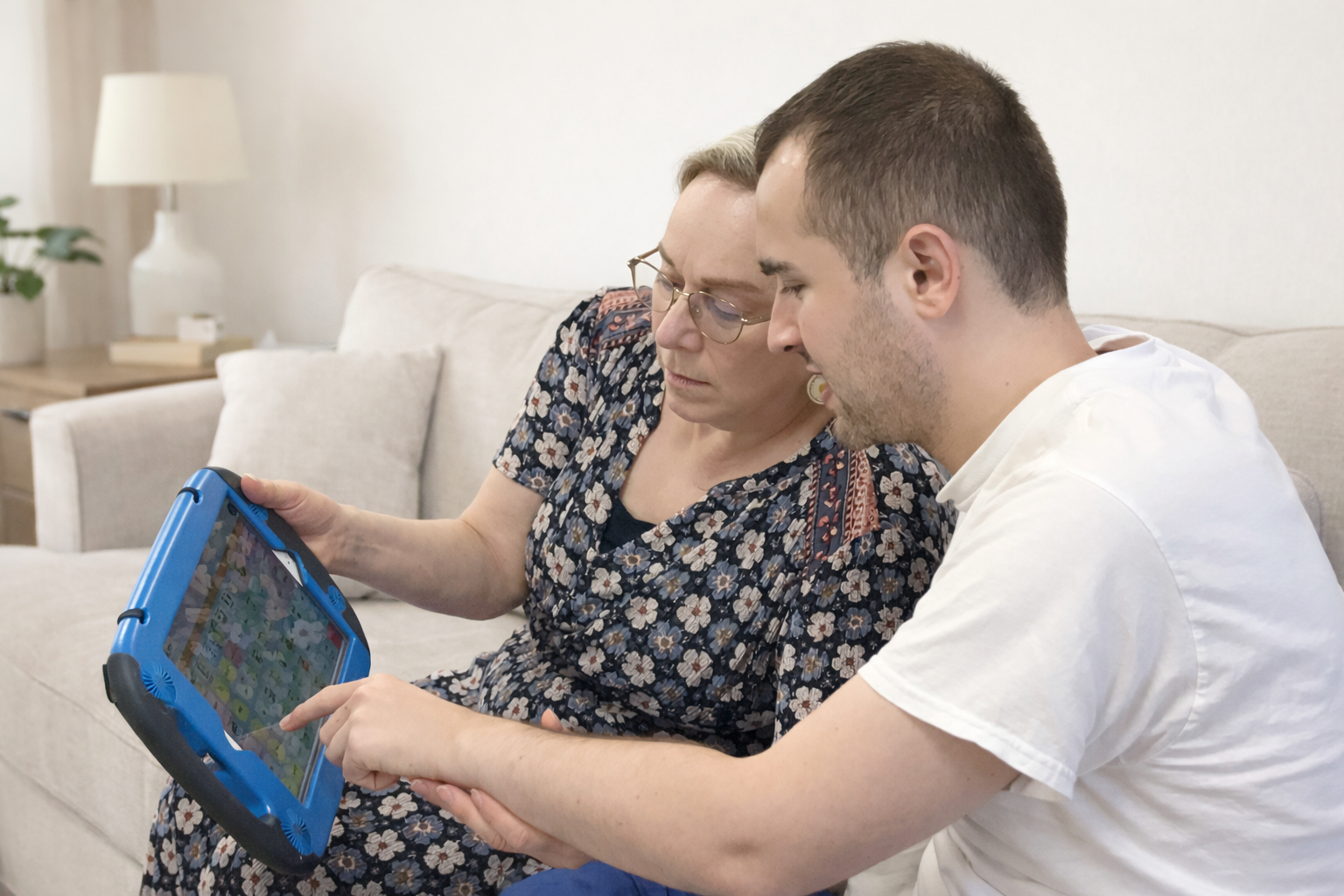
This is why expertise in supported communication is essential. Staff must understand and competently use a range of approaches and tools, including Facilitated Communication (FC) and AAC (augmentative and alternative communication) devices, letter boards, visual supports, and typing.
Equally important is the mindset staff bring. Communication should always be encouraged, never assumed or limited. Too often, individuals are spoken for, instead of being supported to express themselves. Skilled staff create opportunities, allow processing time, presume competence, and actively invite participation in decision-making no matter how long it takes.
For parents, this means peace of mind: knowing your child’s voice is being supported, not silenced. For funders, it means investing in outcomes that truly matter such as greater independence, reduced frustration, and improved mental health.
When staff are experts in supported communication, group homes become places where individuals are not just cared for, but understood.