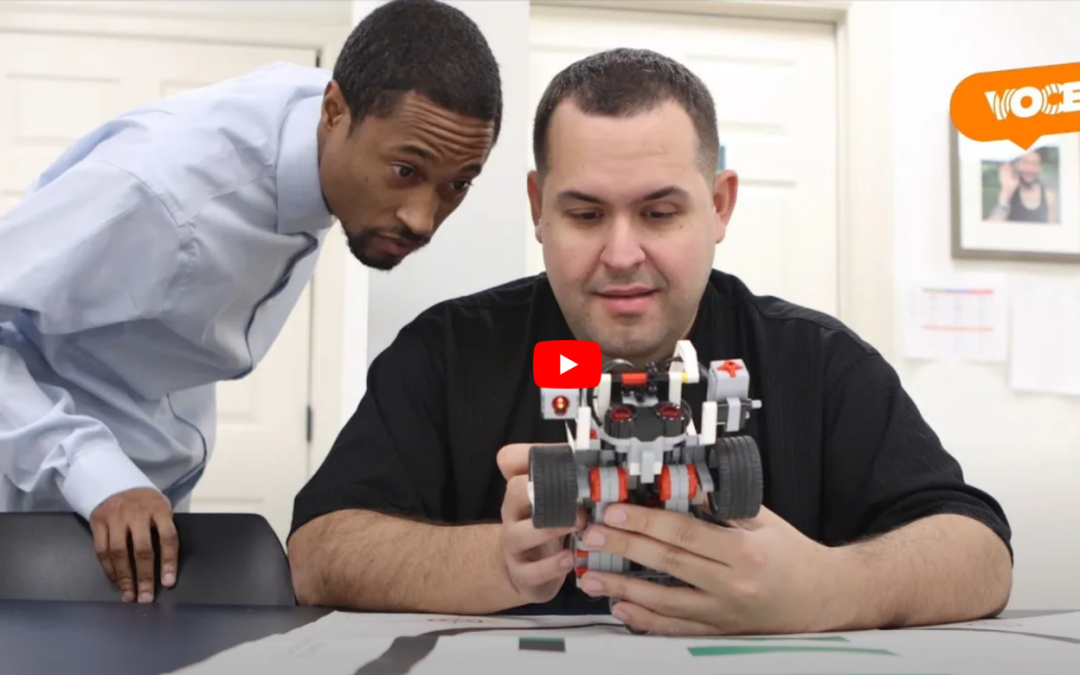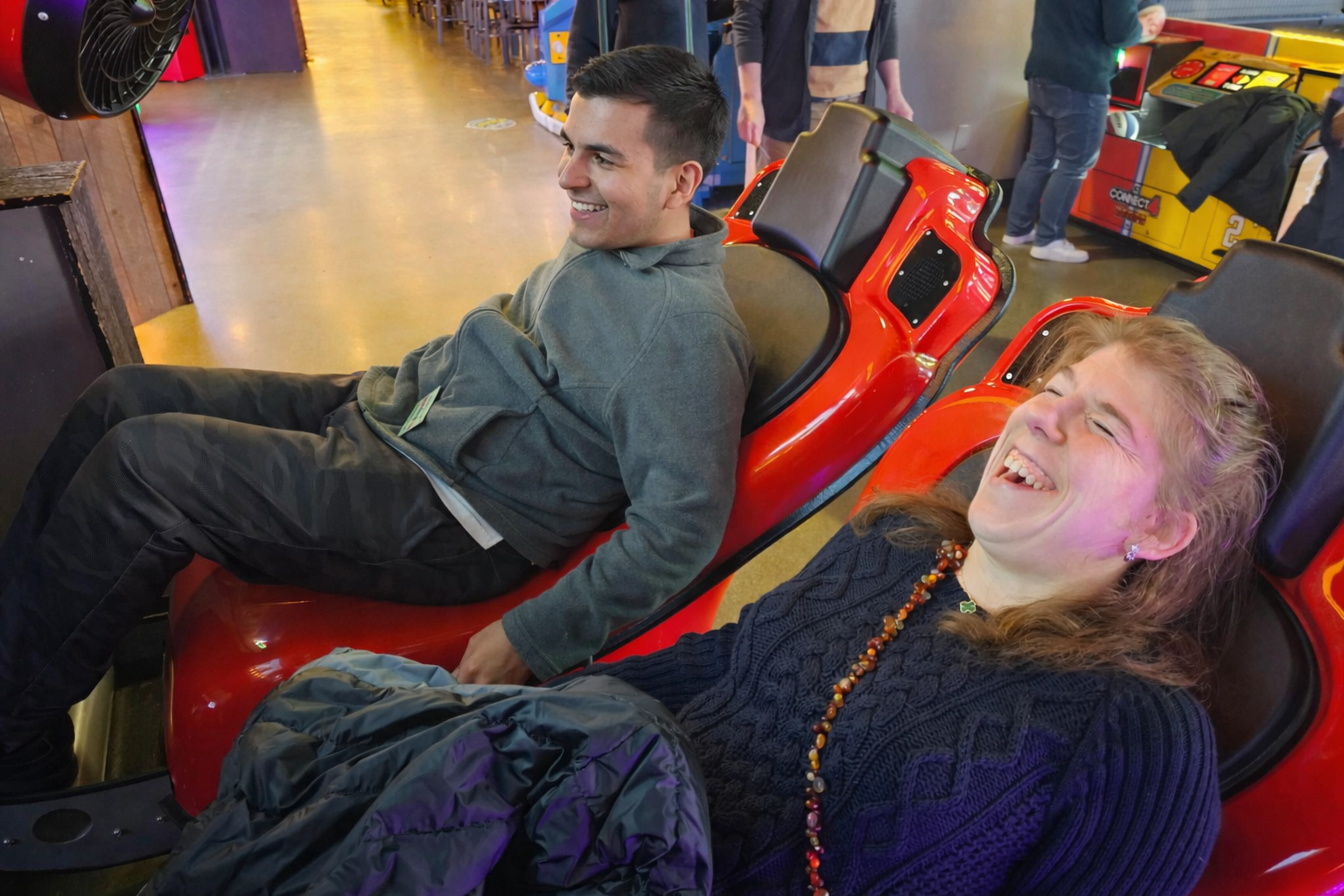
There is something remarkable that happens when autistic adults find each other. The masking eases. The constant effort of translating oneself for a neurotypical world by softening communication styles, mimicking social scripts, and managing sensory environments quietly lifts. In its place comes something rarer and more valuable: the experience of simply being understood. Peer connection among autistic adults is not just emotionally meaningful. It is clinically significant. Research consistently links strong social bonds to improved mental health outcomes, greater resilience, and longer, healthier lives. Autistic individuals face high rates of anxiety, depression, and isolation. For autistic adults, genuine friendship isn't a luxury. It is a health intervention. Yet the infrastructure for building those friendships barely exists. Most social systems are designed around neurotypical norms. Small talk as currency. Eye contact as trust. Unwritten rules that autistic individuals are expected to decode, internalize, and perform. The result is a community of adults who are not lacking in the desire for connection, but in access to spaces where connection feels natural and safe. That is what peer-to-peer community changes. When autistic adults gather in environments built with them, friendships form organically. Confidence grows. Identity strengthens. The narrative shifts from isolation to belonging. We talk a great deal about supporting autistic individuals. We talk far less about empowering them to support each other. That conversation needs to change. Because peer connection isn't a program. It's a lifeline. Learn more here.
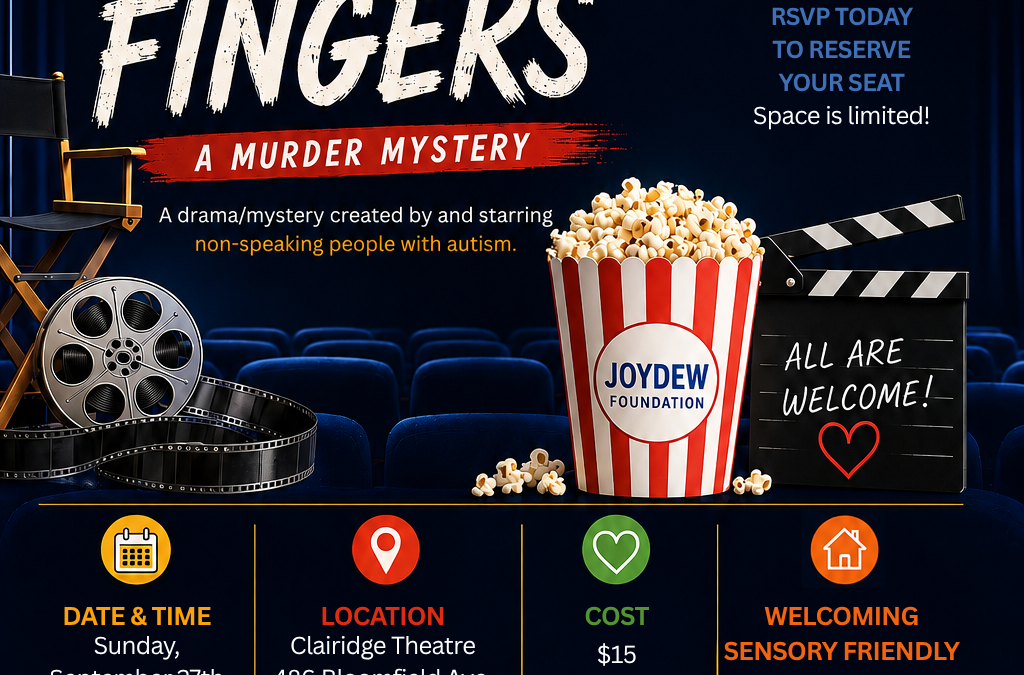
A Murder Mystery Movie That May Change How You See Autism
Many parents of adults with autism continually see their child underestimated. You may have watched other people make assumptions about your son or daughter based on how they speak, communicate, behave, or respond. You...