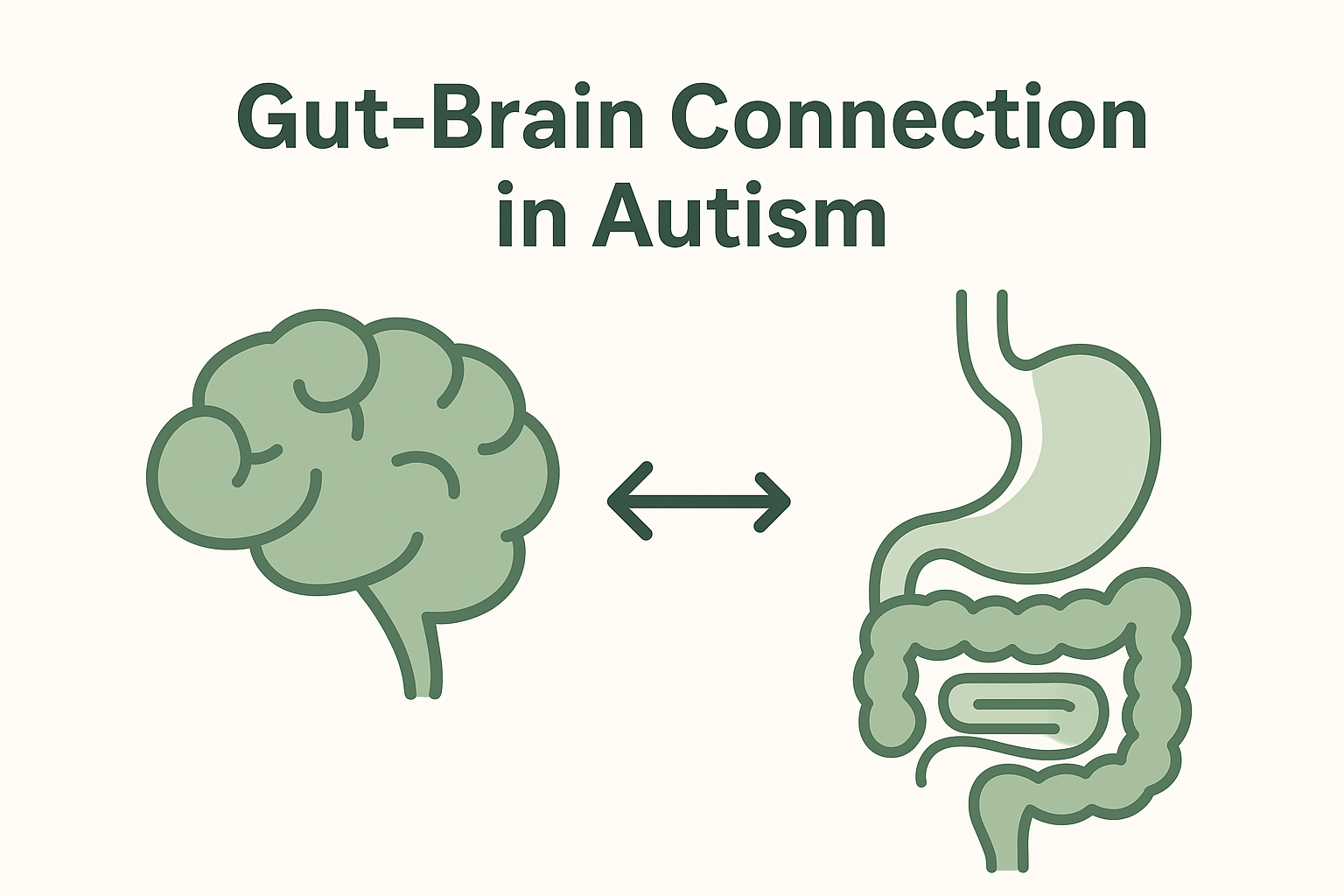
Parents of adults with autism know that “picky eating” and tummy troubles like constipation, bloating, diarrhea or reflux don’t just disappear after childhood. In fact, 48% of adults with autism experience ongoing gastrointestinal (GI) problems.
✨ The Gut–Brain Connection
Your gut is home to trillions of microbes called the gut microbiome…tiny organisms that help with digestion, immune health, and even brain communication.
Research shows people with autism often have less diverse and altered balances of gut bacteria than neurotypical individuals, which can affect mood, sleep, and behavior. Frontiers
🧬 A Promising Study
In a small but exciting study, a therapy called Microbiota Transfer Therapy (MTT) reduced GI symptoms by 80% PubMed and increased healthy bacteria. BioMed Central It’s early research, but it points to real hope for the future.
💡 What Parents Can Do
• Don’t ignore ongoing GI discomfort…it’s not “just autism.”
• Talk to your child’s GI doctor about the microbiome: ask about stool microbiome testing (depending on their practice), diet history, antibiotic exposures, and whether interventions like probiotics, prebiotics or other gut-microbiota minded therapies might help.
• Support gut health with fiber, hydration, regular meals, and reduced processed foods.
Healthy gut = healthier life 💚