“I believe that communication is a human right. If you don’t have communication, you can’t express yourself. If I need to be understood then I need to have a way to communicate my needs. When I am understood people can help me with my needs and they can appreciate my ideas. It makes me feel good to know that I am understood and I can get the help I need.” - Tal Tov, non-speaking adult with autism
Across the world, millions of non-speaking individuals have thoughts, opinions, and ideas they cannot independently express because the tools to communicate them remain underfunded, underdeveloped, and out of reach. This is a solvable problem, and it requires real investment.
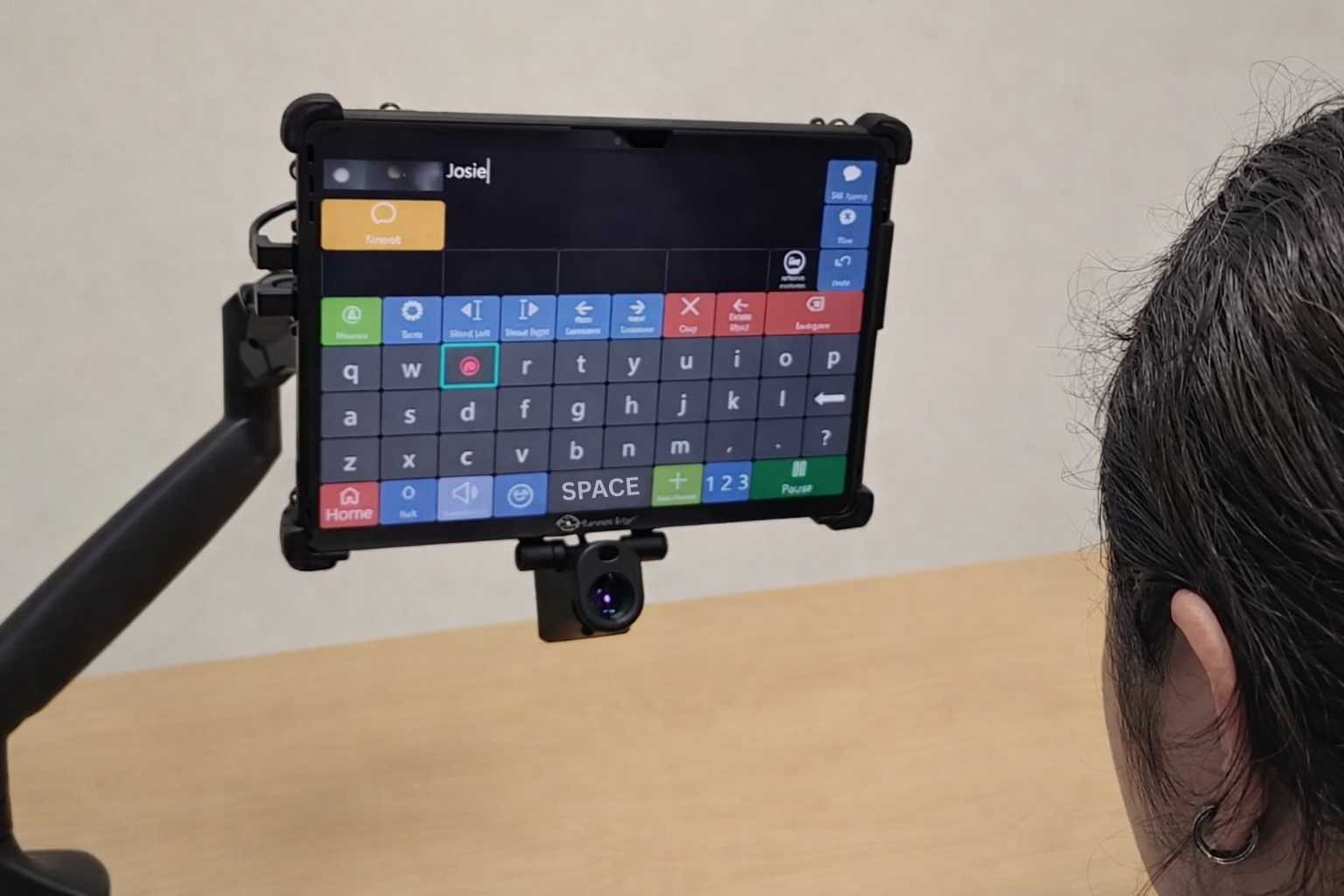
Current AAC (Augmentative & Alternative Communication) technology has come a long way, but gaps remain. Many devices are prohibitively expensive. Others require a communication partner, meaning truly independent expression is still out of reach. AI-driven, adaptive communication tools have enormous potential to close this gap, but only if funding follows the vision.
What targeted investment could unlock:
· Eye-tracking and brain-computer interface technologies that don’t require physical movement.
· AI-assisted predictive communication that learns individual vocabulary and intent.
· Affordable, open-source platforms accessible across income levels globally.
· Research into presuming competence, ensuring tools are built with non-speaking individuals, not just for them.
The return on this investment isn't just economic, it's human.
When a person can speak for themselves, that is dignity. That is equity. That is a society functioning at its fullest potential.
Philanthropists, tech companies, and policymakers have an opportunity right now to fund the future of human communication.
The question isn't whether we can. It's whether we will.