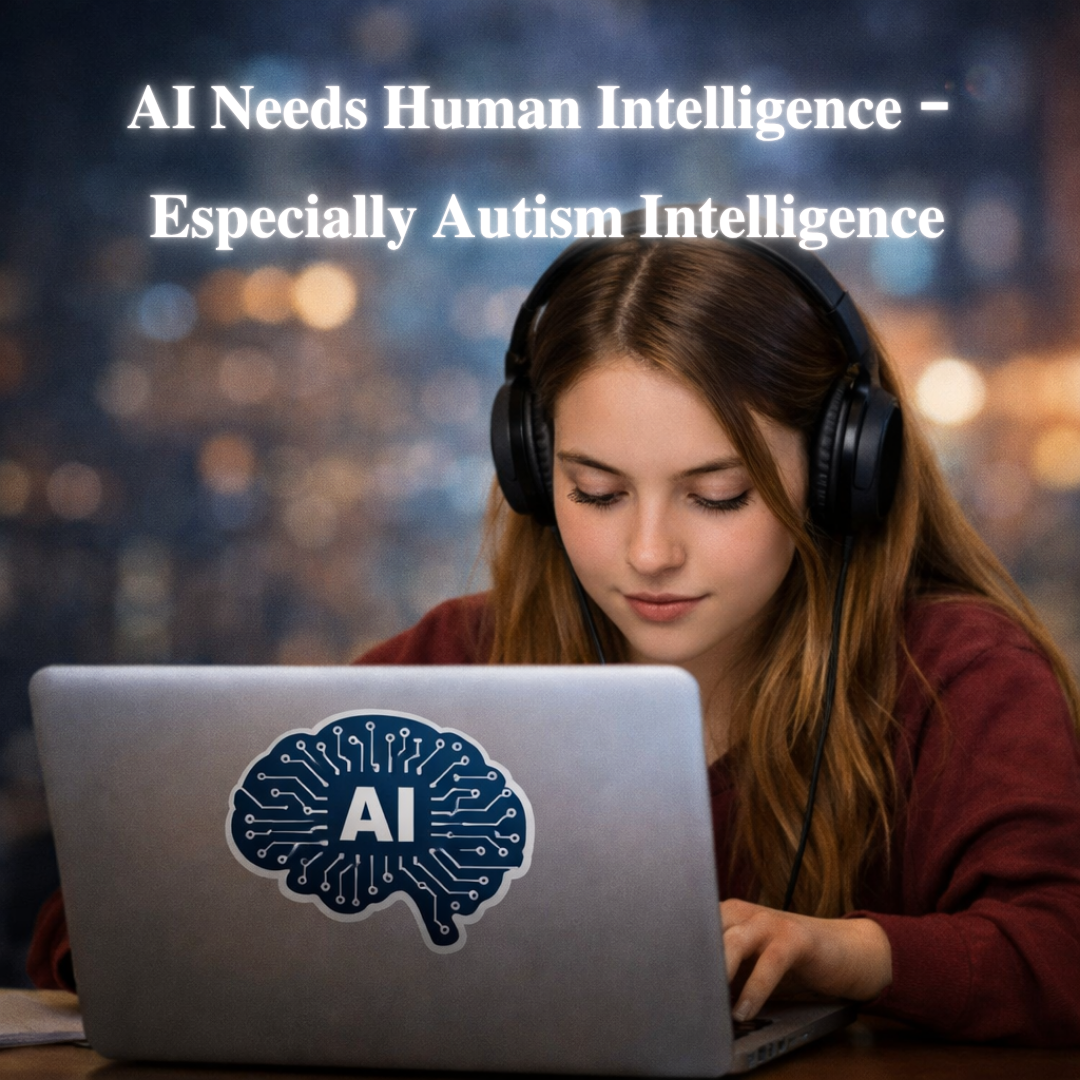
Everyone is talking about what AI can do. Few people are talking about what it can't. AI is exceptional at pattern recognition, data processing, and executing within defined parameters. What it struggles with is outside those parameters…noticing what's missing, questioning assumptions, and flagging when a system is optimizing the wrong thing. As organizations implement AI, a problem is surfacing. The people reviewing AI output to audit for bias, stress-test, and design guardrails are often the same people it was modeled on. Autistic thinkers are often wired for the work AI needs humans to do. Attention to detail. Pattern recognition that doesn't stop at the obvious answer. A genuine drive toward accuracy. These are the cognitive strengths that make AI systems more honest, more rigorous, and more accountable. Autistic professionals bring a cognitive profile that is different from the neurotypical norm. They tend to excel in roles that AI makes critical. Data quality and integrity. Process documentation and gap analysis. Ethical review. Systems thinking that holds the whole architecture. These are the roles that determine whether AI works well or just fast. Organizations that build employment infrastructure around autistic strengths aren't just being inclusive, they’re building the human layer that makes AI more trustworthy, more precise, and more aligned with what they intend it to do. They'll have a genuine competitive advantage built on the one thing AI cannot generate on its own - a different kind of human intelligence.
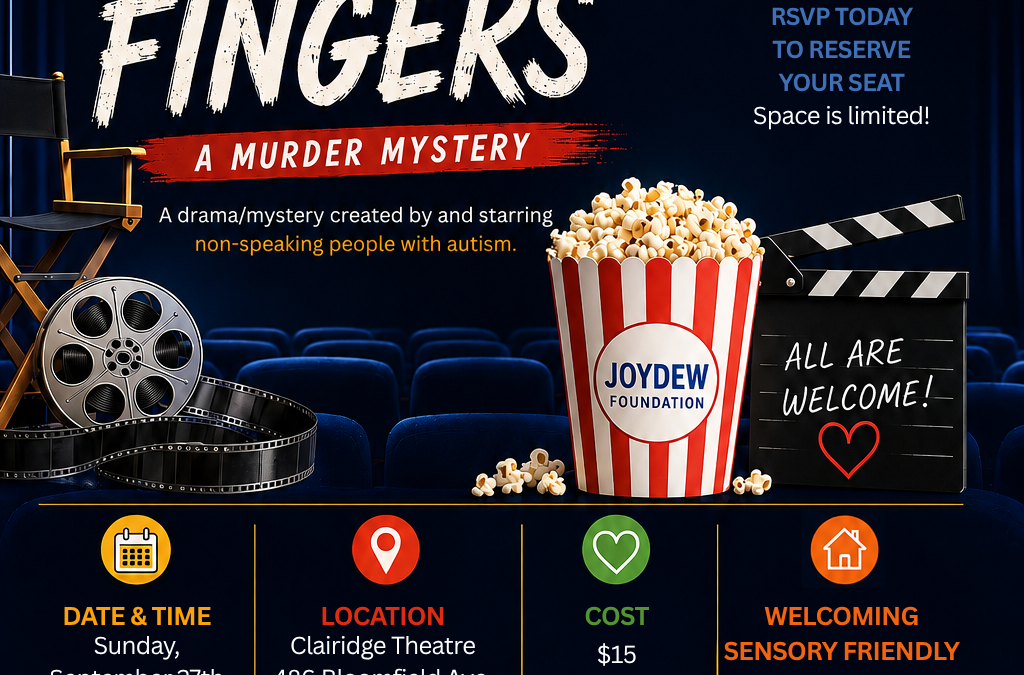
A Murder Mystery Movie That May Change How You See Autism
Many parents of adults with autism continually see their child underestimated. You may have watched other people make assumptions about your son or daughter based on how they speak, communicate, behave, or respond. You...