Most adults with autism want greater independence. For some, communication challenges or elopement risks can make that independence harder to navigate safely. In those situations, location tracking can be appropriate and supportive when done with consent, dignity, and safety at the center.
Here are practical options organized by situation and level of independence.
1. Phone-Based Location Sharing (Most Common)
Best if the person carries a smartphone.
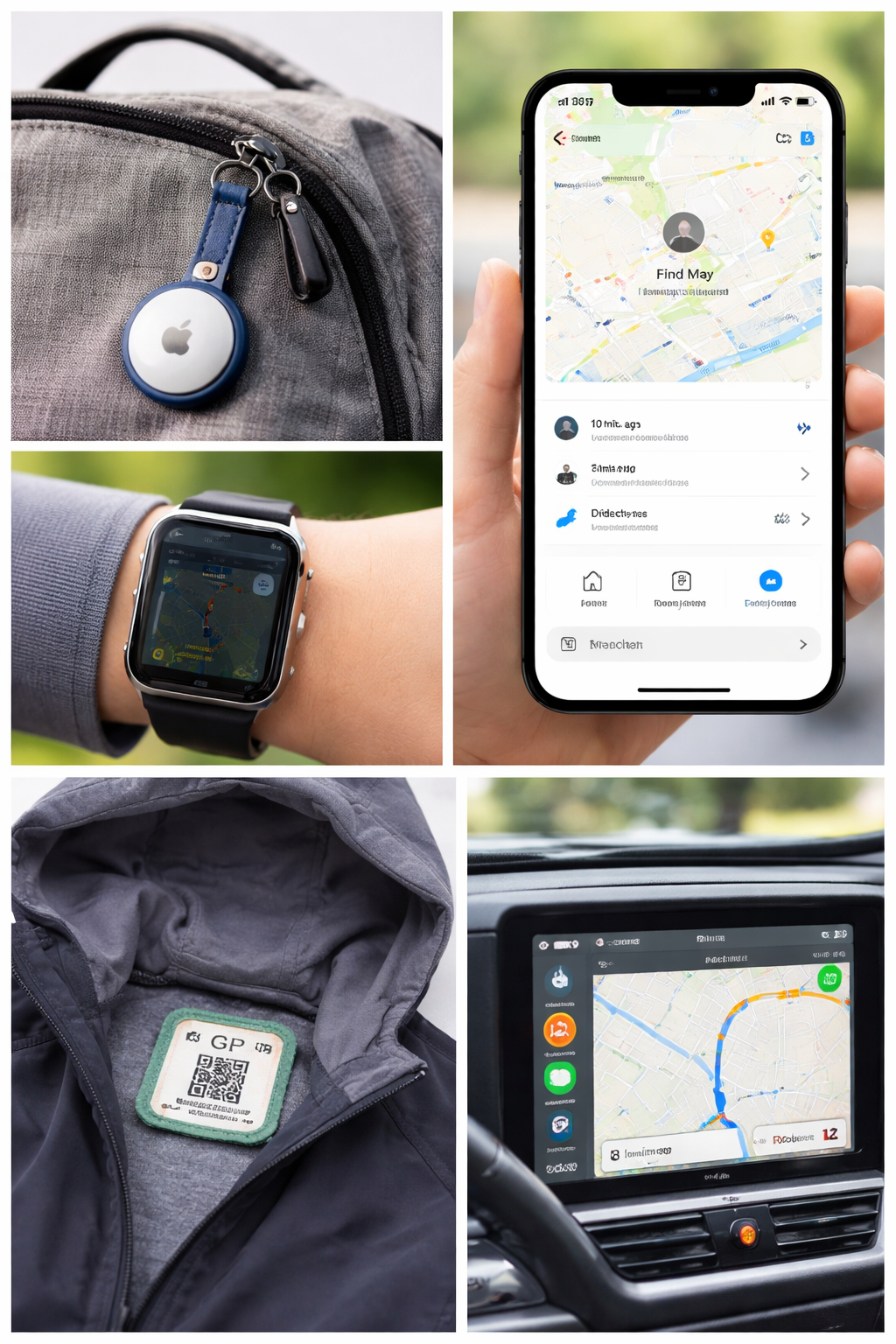
Options include Find My (iPhone), Google Location Sharing (Android), and Life360 (works on both).
Pros: Real-time location, geofencing alerts (“arrived home”), low or no cost. Considerations: Phone must be charged and carried. Works best when the adult understands and agrees.
2. Wearable and Attachable GPS Trackers (Wandering Risk)
Helpful if someone forgets their phone or has a history of elopement.
Devices like AngelSense, Jiobit, Apple Watch (cellular), and Fitbit (select models) offer discreet tracking. Some include SOS buttons and caregiver alerts. Attaching additional affordable trackers like Apple AirTags to things they frequently carry, such as a backpack, or their favorite stuffed animalor blanket can also be very helpful when someone is missing.
Considerations: Monthly fees and possible sensory sensitivities. Some families also place small trackers in backpacks or comfort items.
3. Vehicle Tracking (If They Drive)
Options include built-in vehicle GPS apps or OBD-II devices such as Bouncie or Spytec.
Pros: No wearable required; can feel less intrusive.
4. ID + Emergency Backup (Strongly Recommended)
Medical ID jewelry, wallet cards, shoe tags, and voluntary police registries provide essential backup.
5. Ethical & Legal Considerations Consent matters.
Frame tracking as a safety tool — not surveillance. Involve the person in choosing the device and use the least restrictive option possible. If a guardian is involved, follow state laws.
Many families say it best: “This is a safety tool so you can be more independent.”