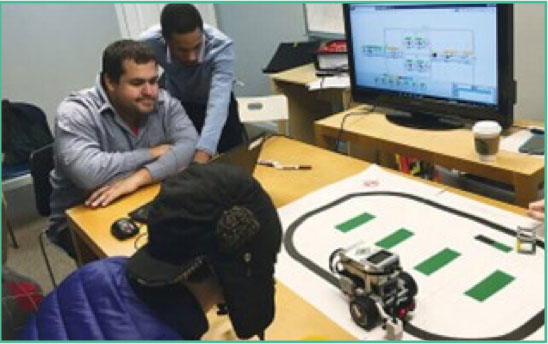
From Undervalued and Alone to Valued, in Community
We believe in them, provide the right work environment, training, and special support they need to flourish.
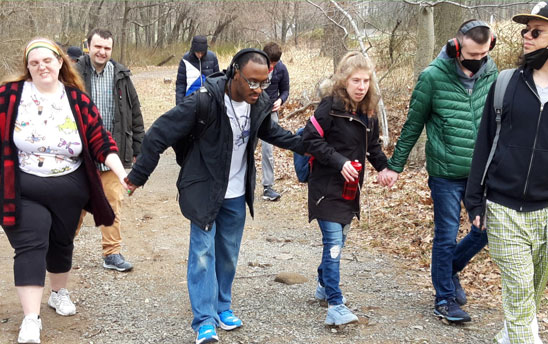
From Low Quality Group Homes or “Golden Cages”, to Autism Smart Living
Located close to town centers, our state-of-the-art facilities will be safe, secure, and include private living quarters and shared community spaces.

From Isolation, to Living in a Community of Friends
The result is that many of them have developed real friendships for the first time in their in their lives.

From Limited Access to Unlimited Opportunity
Our highly trained staff conduct job training, academic enrichment, and teach business social skills, focusing on “21st century” jobs that leverage the unique strengths of our members.

From Struggling, to Guidance Through Autism Services
JoyDew helps parents navigate the complex world of autism services, including social security, Medicaid, DDD benefits, and finding autism-friendly medical, legal and other professionals, as well as agencies and support coordinators.
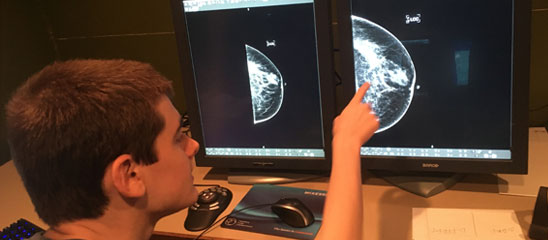
From failing, to Leveraging Special Abilities
Applying a proprietary methodology, JoyDew is able to tease out each member’s unique strengths, determine what support they need, create a personalized plan to determine jobs of interest and training required, train them, and ultimately employ them in appropriate, high-value jobs.
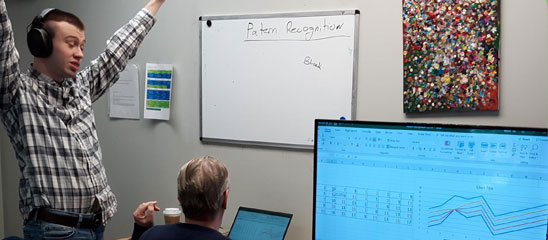
From presumed incompetent, to Confidence
This simple idea changes everything. Because members are smart, and they believe we know that, they feel safe and are willing to try their hand at challenging work. With this confidence, they are able to succeed at levels many never thought possible.

From trying to conform, to Embracing Identity
At JoyDew, we understand the need for self-regulation, and embrace the notion that people on the spectrum may have sensory sensitivities, move, communicate and have different interests and ways of thinking than neurotypical people.
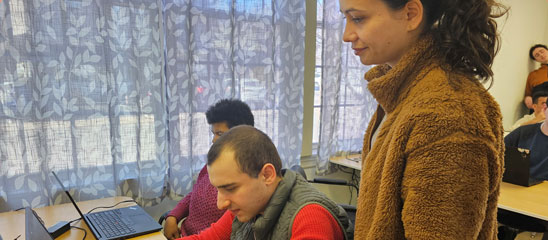
From Minimal Communication, to Expressive Communication
At JoyDew, we believe that expressive communication is a basic human need, and it is critical to everything we do. For this reason, all our staff are hired and trained extensively in Total Communication resulting in 100% of our members expressively communicating within 6 months.
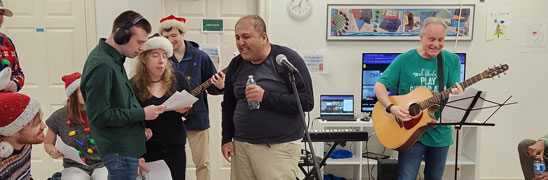
From Isolated, to in a Community of Friends
JoyDew believes that everyone should feel comfortable in their environment, which includes having a flexible space for learning and working, staff and equipment to support their needs, and most of all FRIENDS.